To Bee or Not to Bee
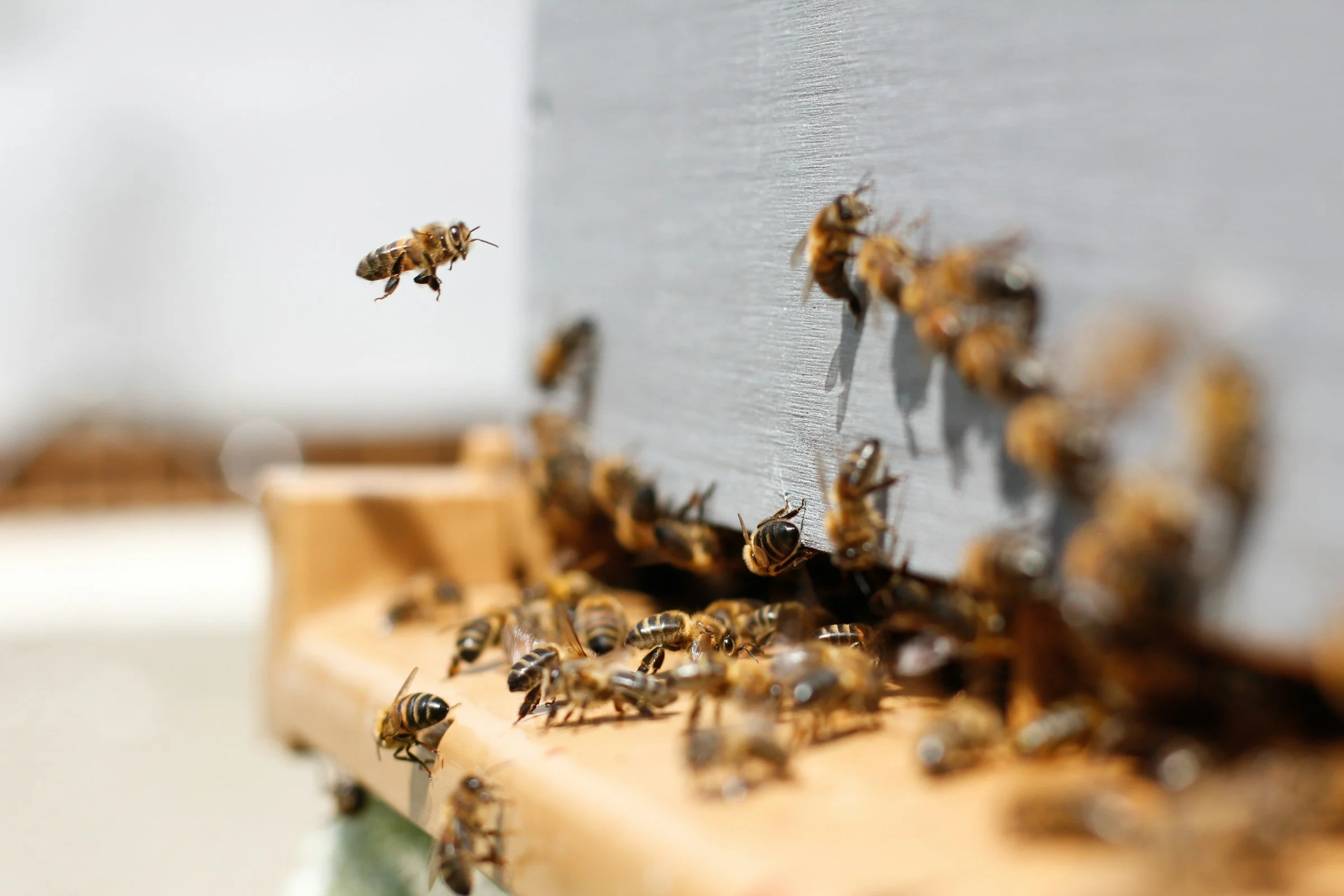
A buyer I'm working with keeps bees.
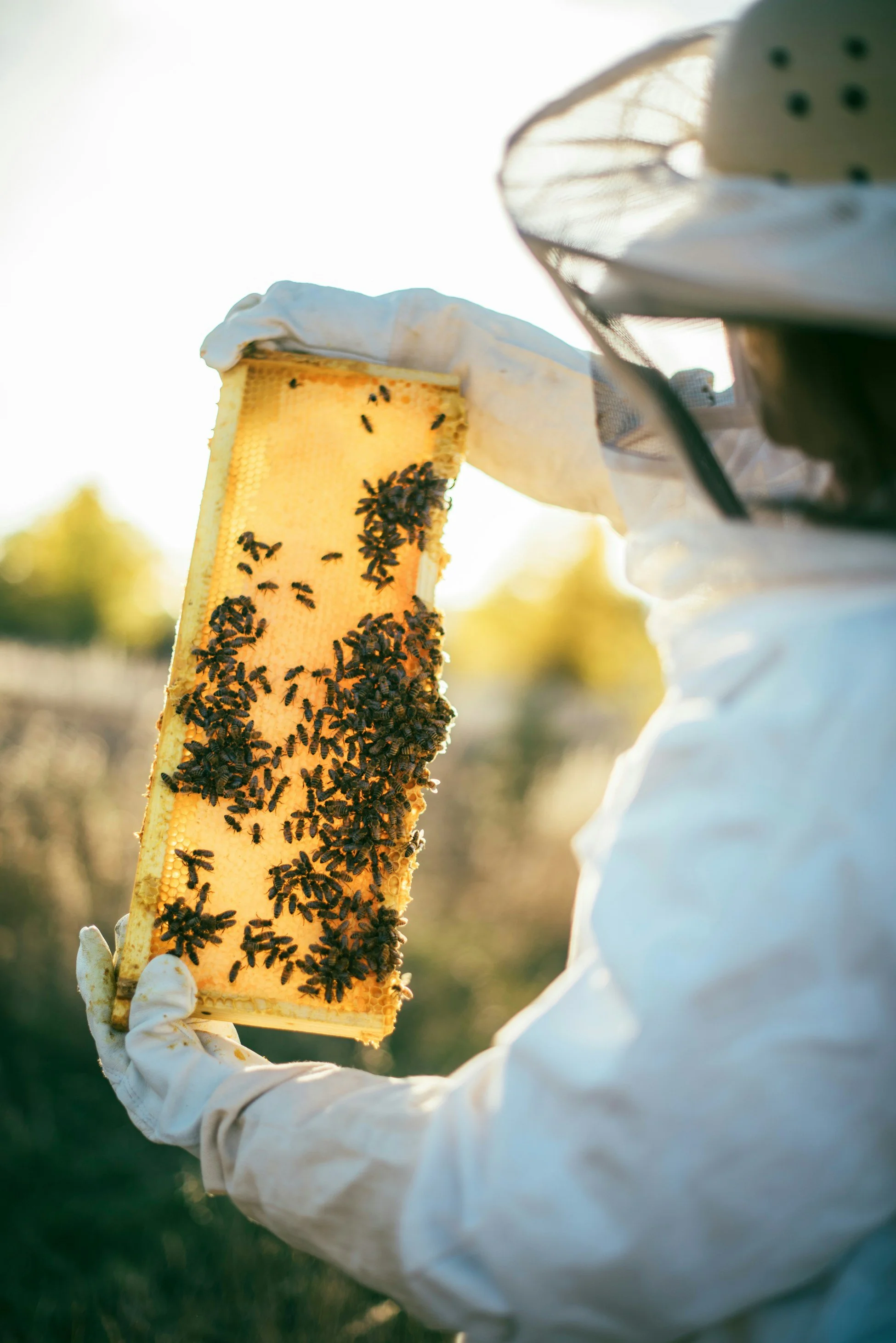
Three or four hives. Nothing commercial, no honey stand out front, just a hobby he takes seriously. He lives in Edmonds now, he needs to move, and early in our first real conversation he told me the one thing that would shape the whole search. He wanted to bring the bees.
I told him that sounded easy. I was wrong.
I figured bees were bees. Buy a house with a decent yard, set the hives up in back, mind the neighbors. What I found instead was that the answer changes every time you cross a city line, and it changes far more than you would guess. One city near him allows up to fifty hives with no distance rule at all. Another, close enough to share a border, most likely bans them. Two homes a few streets apart can sit in different cities under opposite rules.
So the useful skill here turned out not to be knowing the rules. It was knowing how to find the rule for a specific house before we fall in love with it. Here is how I run that down, in the order I do it. It works for bees, and it works for a lot more than bees.
Step one: figure out which rulebook even applies
Before you can look up a rule, you have to know whose rule it is.
City lines around here are invisible from the street. A home you would casually call "Bothell" or "Mill Creek" might sit just outside the line, in unincorporated county, where the city's code does not apply at all. That distinction changes everything, so it is the first thing I check on any home.
If a home is in unincorporated King or Snohomish County, there is no city beekeeping ordinance to satisfy. State law governs instead. Washington's apiary statute (RCW 15.60) is mostly a registration law. You register your hives with the State Department of Agriculture by April 1 each year, and in exchange, a registered keeper who follows the rules gets some protection if a neighbor files a nuisance complaint. What the statute does not do is set hive counts, setbacks, or water rules. Those are good-neighbor practices, not law. Out in the unincorporated county, beekeeping stays fairly relaxed, right up until a neighbor decides your bees are a problem. Keep the neighbors happy and there is very little to worry about.
Step two: look for a written code, because the code
beats a conversation
Once I know a home sits inside a particular city, I look for that city's written beekeeping ordinance. When one exists, it is the strongest answer you can get, because it is the actual law rather than one staffer's memory of it.
Near my buyer, four cities have it in writing, and even among those four the rules are all over the place:
Kenmore treats bees as small animals with no zoning restriction, which works out to up to fifty hives on a normal lot and no limit at all past five acres, with no required setback (KMC 18.70.020(H)). For a hobbyist, that is effectively unlimited.
Lake Forest Park scales the number to your lot. Two hives on a standard lot, four once you are over about 10,001 square feet, up to ten on the big parcels, with a twenty-five-foot setback from every property line (LFPMC 6.04.105). It also bans hives in environmentally sensitive areas and their buffers, which matters on a greenbelt lot.
Shoreline allows up to four hives on sites under 20,000 square feet with a twenty-five-foot setback that can shrink if you raise the hive off the ground or screen it behind a tall fence or hedge (SMC 20.40).
Bothell lands in the same range, asks for no permit at all for a hobby, and does not allow it on multifamily properties (BMC 12.06.190(B)(4)).
Same corner of the map, four written answers, none of them identical. This is why "I looked it up once for a friend's house" does not transfer to yours.
Step three: when nothing is written down, get the
answer in writing anyway
Plenty of cities have no beekeeping ordinance at all. That is where people get into trouble, because "no rule against it" and "allowed" are not the same thing, and you cannot tell which one you are dealing with without asking.
Two patterns show up.
In some cities, no written rule means it is quietly allowed. Brier, Edmonds, and Everett all fall here, and I confirmed each one with the city's planning staff rather than assuming. Brier recognizes hobby beekeeping as an accepted use, and most of its lots run large enough to be comfortable. Edmonds allows it too, with a wrinkle worth knowing: once a hive is thirty-six inches tall, and an active hive in summer usually is, the city treats it like a small structure and applies the setback for that lot's zone, so do not assume a flat twenty-five feet. Everett gave the most thorough answer of the three. Its planning department searched the municipal code, the ordinances, and the resolutions for bees, hives, and apiaries, found nothing regulating beekeeping, and pointed me to the state registration everyone does anyway. No local ordinance to satisfy, and I have it in writing, which is the whole point of asking.
In other cities, no written rule means no. This is the trap. Some cities run a permitted-use code, where anything not specifically listed as allowed is treated as prohibited. Lynnwood is the clear example. Beekeeping does not appear in its residential use tables, and the planner I spoke with said it may well be considered a prohibited use. In a city built that way, silence is a red light, not a green one.
Mill Creek sits in the uncomfortable middle. Its code is currently silent on bees, meaning it neither permits nor bans them, and when I checked, the city's read was that beekeeping is not being treated as prohibited today. That is encouraging, but it was a conversation, not a written determination, and silence can cut either way. If a Mill Creek home became a real contender, I would get that answer from the city in writing before we wrote an offer.
That is the rule underneath all of this. Whether or not the city has an ordinance, get the determination you are relying on in an email you can save. A written answer from the city is your documentation if a neighbor complains later or the code changes after you buy.
Two things the city code will never tell you
Even after you have the city pinned down, two other rules can quietly override it.
The first is the HOA. A homeowners association can say no even when the city says yes. HOA rules are private contracts, and the city's permission does not touch them. Washington has no law forcing an association to allow bees, and the language that catches people is rarely the word "bees." It is a broad line about "no livestock" or "no agricultural use" that someone later reads to include hives. Mill Creek is the place to be most careful here. It is about as HOA-dense as any city in the area. A large share of its neighborhoods sit under an association, and some of those are big ones with their own rules. In a place like that, the association can matter more than the city code, so it gets checked on every single home.
The second is green space. If a home backs onto a protected greenbelt, a wetland, or a stream, buffer rules can push the hives farther inland. The number that matters is not the lot size printed on the listing. It is the usable yard after you subtract the buffer. A big lot with a creek behind it can leave you less room than a small one with none.
This was never really about bees
Here is the part that applies to you even if you have never worn a veil.
When you buy for a specific use, the house is only half of what you are buying. The other half is the set of rules attached to the dirt. Bees make a clean example because the swing is so wide, but the same is true for backyard chickens, an ADU you plan to build, a shop with a small business run out of it, an RV you need to park, a room you want to rent short-term. Two homes can be the same price, in the same school district, on the same kind of street, and one quietly lets you do the thing you are buying the house for while the other does not.
None of that shows up in the listing. The photos look the same. The lot lines look the same on the map. The difference is buried in a code that changes at a border you cannot see from the street, or in an HOA document nobody reads until it is too late.
That is the part of the search I take personally. Anyone can pull the price and the square footage. The value is in the questions underneath. Which city is this home actually in. Does that city have a written rule, or do we need it in writing from a planner. Is there an association. Is there a buffer eating the yard. I run those down before a buyer falls for a house, not after.
My buyer is going to get his bees. We are just reading the fine print of the map first, so the home he picks fits his budget, his commute, and the three or four little colonies coming with him.
The house is never only the house. It is the house plus everything the code, the county, and the neighborhood say you can and cannot do once it is yours. That is worth knowing before you sign, not after.
If you are buying with a specific use in mind, whether that is bees, chickens, a shop, a rental, or a place for family, the rules attached to a property are exactly the kind of thing worth nailing down before you make an offer. I am glad to help you read the map before you fall for the house.
Want to check a specific city yourself? I put all of this into a downloadable guide: the beekeeping rules across Snohomish and North King County, city by city, with links to the actual codes and the offices to call, plus the setbacks, the state registration, and the HOA traps to watch. Download it here, and check any home before you make an offer.
Marc Bostian is a real estate agent with Windermere Snohomish. He writes about buying, selling, and owning property at MarcBostian.com.
Call or text: 425.492.6788