Seattle's New Housing Rules: What Changed in 2026 and What It Means for You
Quick answer: In January 2026, Seattle implemented new Neighborhood Residential zoning under Washington's House Bill 1110, allowing 4 to 6 units on lots previously zoned for single-family homes. Separately, Washington's first-ever statewide rent cap took effect, limiting how much landlords can raise rent on existing tenants. Details below.
If you own property in Seattle or the surrounding area, or you've been thinking about buying, two significant rule changes took effect this year that are worth understanding. One reshapes what can be built on a lot, including what might go up next door. The other sets new limits on how much rents can increase. Neither one is cause for alarm. But both will affect decisions people are making right now, and the more you understand about them, the better positioned you'll be.
Full disclosure: this topic is also something Windermere is diving into directly. We're putting together a seminar series this quarter on AADUs and DADUs, the industry terms for Accessory and Detached Accessory Dwelling Units, that will bring together a builder, agents who specialize in the condominiumization process, and title and financing people who know how this works end to end. Dates aren't set yet, but it's coming and I'll be promoting it here when it is. If you're curious about building on your property, or understanding what your neighbor could build on theirs, that series is worth your time.
One more thing worth mentioning. I'll go deeper on this in a future piece, but condominiumization isn't only a development strategy. People are also using it for estate planning. Splitting a property between a living trust and a family member, preserving options for heirs without forcing a sale, structuring ownership so the next generation has real choices rather than just a liquidation event they didn't ask for. If that's a conversation you're already having with your attorney or financial planner, it's worth looping in someone who understands how property structure fits into that picture. More on this soon.
The One Seattle Plan: What It Actually Means
For decades, most of Seattle's residential neighborhoods were zoned for single-family homes only. One house per lot, period. That era is over.
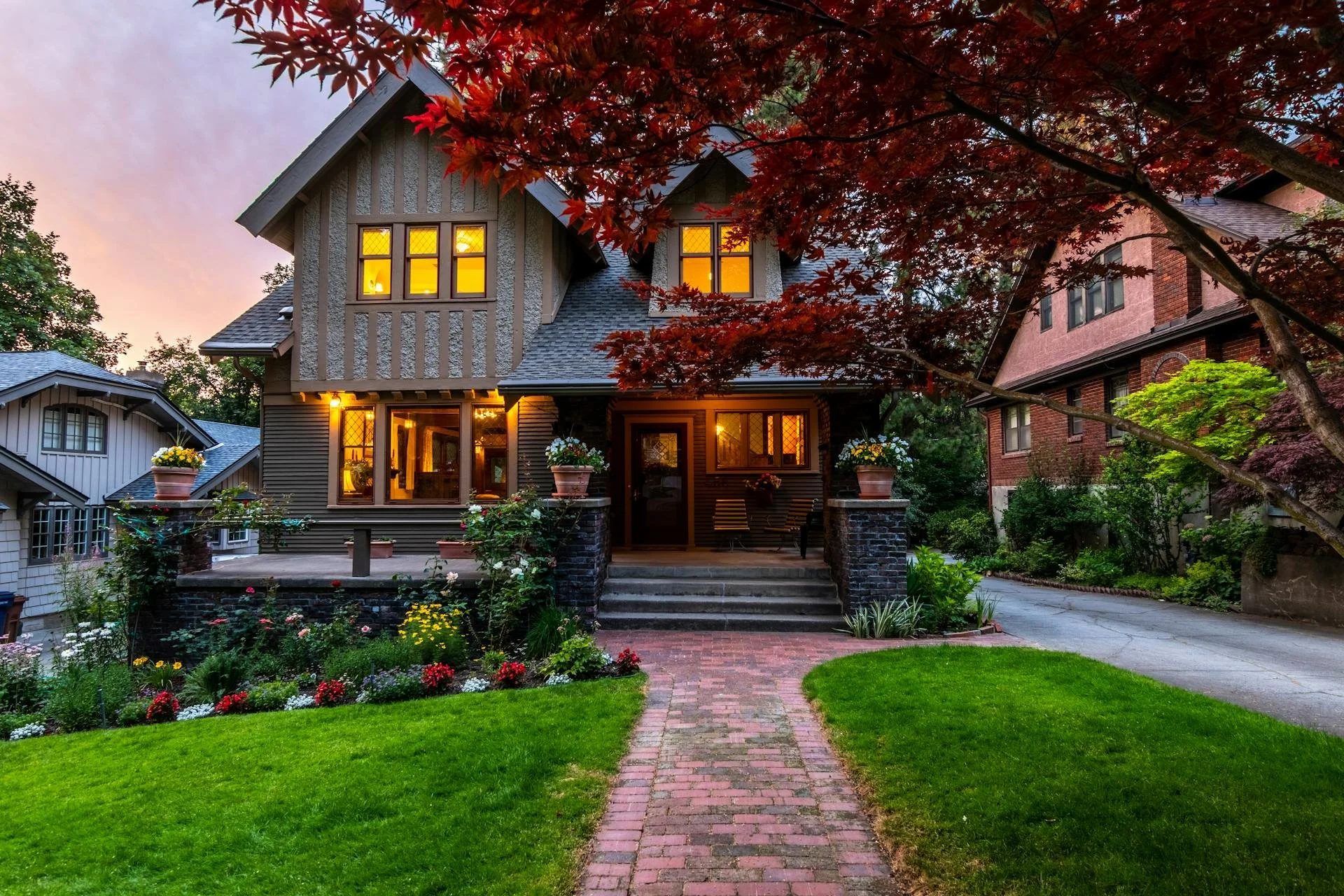
In January 2026, the City of Seattle's new Neighborhood Residential zoning rules went into full effect, implementing the state's House Bill 1110 mandate requiring cities to allow what planners call "middle housing." The practical meaning is straightforward: lots that previously allowed only one home can now support four to six units. Duplexes, townhouses, stacked flats, or small apartment-style buildings, depending on lot size and location.
Seattle also simplified its zoning map in the process, eliminating the old NR1, NR2, NR3 designations that dated back to when minimum square footage per home was the main tool for controlling density. That's been replaced by a single Neighborhood Residential zone with new density rules built around unit counts, not lot minimums.
A second phase is still working its way through the city council, focused on rezoning areas around transit corridors and neighborhood centers. That work will shape where new apartments and condos concentrate in the years ahead.
I'll give you a personal example. A neighbor of mine built a new house on their property and demoed the old one. Cleaner lot, nicer build. I can see the logic. But the new house sits in my sightline in a way the old one didn't. And the lights. If you live somewhere rural or semi-rural and you value the dark, that's a real thing to think about. A neighbor's right to develop their lot is exactly that. Their right. The question is whether you understood what that lot could become when you bought yours. In Seattle proper, this is less of a surprise. You don't get to have dark in the city. People and lights are part of the deal. But out here in Snohomish, some buyers are still picturing a quiet lot next door when the zoning says something different now.
What This Means if You're Selling
For sellers, the zoning change can cut both ways. A lot that previously had one home on it now has potential that didn't exist before. If a buyer sees a redevelopment opportunity, that adds value. In some neighborhoods, especially those close to transit or with larger lots, the zoning shift may be a genuine tailwind for pricing.
At the same time, some buyers who wanted a quiet single-family street may now be factoring in what could be built on neighboring lots. That's not a reason to panic. It's a real conversation to have with your agent about how to frame the listing.
What This Means if You're Buying
If you're buying in a Neighborhood Residential zone, the question worth asking is: what could realistically be built on the properties around this home? In a lot of cases, the answer is nothing significant. Existing development patterns, lot sizes, and market economics don't change overnight. But in certain areas, especially underdeveloped parcels near major corridors, the rules have materially shifted what's possible.
This isn't a reason to avoid a neighborhood. It's a reason to understand it.
When I'm evaluating a property with a buyer, I'm already looking at the neighboring lots, not just the one we're standing on. Is there a creek nearby that creates a setback buffer and limits what can be built? Are there elevation changes that would make construction cost-prohibitive? Heavy forest can be cleared, but it's expensive, and that expense is a real constraint on whether a lot ever gets developed. These things don't always prevent new neighbors from appearing, but they slow it down considerably.
In Snohomish County, I'll be honest. I already spend a significant amount of time evaluating what's happening on neighboring properties for reasons that have nothing to do with new construction. The junk car collectors. The sketchy trailer situations. The people with the blue tarp covering something that's been there for three years. Those are real factors in how a neighborhood feels to live in, and they don't show up in a listing. The new zoning rules add one more thing to that checklist. Not the first, and not the most urgent, but worth knowing.
Washington's New Rent Cap: The Numbers Landlords Need to Know
Washington State now has its first-ever limit on how much rents can increase in a single year. The cap for 2026 is set at 9.683%, calculated as 7% plus the Consumer Price Index for the Seattle-Tacoma-Bellevue area. That number will be recalculated each year based on updated CPI data, typically released in July.
For most landlords operating in a reasonable range, that ceiling is unlikely to be a constraint. The real operational change is in the compliance requirements stacked on top of it.
The 180-Day Notice Rule
Seattle has required 180 days' written notice before any rent increase for some time, and that still applies. If you're a landlord in the city, you need to be thinking about any increase you plan to implement in the fall before spring even starts. Missing that timeline doesn't just create a dispute. It can void the increase entirely.
For increases of 10% or more in any 12-month period, landlords must also provide what's called an Economic Displacement Relocation Assistance notice, commonly referred to as an EDRA notice. That's a separate document with its own requirements, and getting it wrong creates real legal exposure.
At R Squared, our approach has always been smaller, consistent increases rather than big jumps. The logic is simple: a tenant who feels respected stays. A tenant who feels ambushed leaves. Turnover costs more than the difference between a 3% and an 8% increase ever would. Many owners come to us wanting to make up for lost ground all at once, and we have that conversation honestly. Larger adjustments do happen, but they happen at turnover, when we run a fresh CMA and price the unit for the current market. What we don't do is lock someone in at a low rate and then hit them with a jump. That's not a strategy. That's a way to lose good tenants and build a reputation you don't want.
Who the Cap Does and Doesn't Apply To
Not every rental is covered. The cap doesn't apply to public housing authorities, certain owner-occupied properties, or tenancies in a duplex, triplex, or fourplex where the owner lives in one of the units. If you're in a gray area on this, it's worth a conversation with an attorney who knows landlord-tenant law in Washington. The exemptions are specific, and "I thought I was exempt" isn't a defense.
The Bigger Picture for Rental Property Owners
Here's what the combination of these rules means practically: if you own rental property in Seattle, your operating environment has more structure around it than it did two years ago. That's not necessarily bad. Predictable rules are workable rules. The landlords who run into trouble are typically the ones who aren't tracking notice deadlines and compliance requirements until something goes wrong.
The 180-day rule sounds complicated, but we don't change rents mid-lease anyway. What it really means is that we start the planning conversation with owners earlier. If you want to adjust rates in October, we need to be talking in March. That discipline is good for everyone. It means no surprises, no scrambling, and no accidental violations because someone forgot to count back six months on a calendar.
The Bottom Line
The zoning changes are the longer story. They'll shape what Seattle's neighborhoods look like over the next decade, and the effects will be uneven depending on where you own or where you're buying. The rental rules are more immediate and more operational, especially for landlords who haven't been paying close attention to the Seattle-specific requirements that sit on top of state law.
If you have questions about how either of these changes affects a specific property or a decision you're working through, that's exactly the kind of conversation worth having before the numbers matter.
For the official sources: Seattle's One Seattle Plan is documented on the City of Seattle's Office of Planning and Community Development site. The statewide rent cap details, including the 9.683% figure and methodology, come from the Washington State Department of Commerce announcement for 2026.
Reach out.