Can't Afford a House? Here's How People Are Building Equity Anyway
I'm working with a buyer relocating to the Seattle area from a more affordable market. Back home, she owns a cool vintage house worth about $300K. She thought that equity would be enough to buy a small home up here.
Then she saw King County prices. Median home: $840K. Even Snohomish County sits around $736K. Her $250K of equity - which felt substantial where she came from - suddenly looks like barely enough for a down payment on a starter home here.
She's not alone. Whether you're relocating from a lower cost-of-living area, trying to buy your first home on a local salary, or just feeling priced out of the traditional path, the Pacific Northwest housing market can feel impossible.
But some people are finding ways in. Not through magic or luck - through creativity, sacrifice, and a willingness to take an unconventional route. These aren't get-rich-quick schemes. They're hard work, strategic discomfort, and playing the long game.
Here are four real examples from people I know who made it work, arranged from most accessible to most extreme.
STRATEGY 1: House Hacking with Roommates
The Concept: Buy a 3-4 bedroom house, rent out one or more extra rooms to roommates who offset your mortgage. The beauty is you control the scale - rent out one room to cut your housing costs in half or rent out two or three to live nearly rent-free. You're building equity while dramatically reducing your monthly burden.
One smart buyer I know found a house with a detached shop that had a car lift. My hunch is that was the feature he was watching for. He's a car guy - works on his own vehicles and helps friends with modifications, lights, stereos, exhaust systems. Having that detached space meant he could get away from the roommates when things got loud or frustrating. A place to decompress that wasn't his bedroom.

If you're going the house-hacking route, look for properties with built-in escape valves. A detached ADU (accessory dwelling unit), a garage workshop, a "she-shed," a basement rec room. Something that gives you space to breathe when living with tenants gets overwhelming. It makes the arrangement sustainable long-term.
The key is finding YOUR comfort level. Don't turn your house into a frat house just to maximize income if that's going to make you miserable. Rent one room to a quiet professional and cut your costs significantly. Add a second roommate if it still feels manageable. This isn't about martyrdom - it's about strategic cost reduction while building equity.
Why it works:
Lowest barrier to entry of these strategies - conventional financing, standard down payment
Scalable based on your tolerance - one roommate or three, your choice
Immediate cash flow relief
You control the property and build equity from day one
Can transition to full rental when you're ready to move
The right property layout makes shared living way more tolerable
The Reality Check:
You're a live-in landlord - your tenants are also your housemates
Privacy decreases (but you control how much)
Screening roommates is critical - one bad roommate can make your life hell
Works best when you're young and single, gets exponentially harder with a partner or kids
Roommate turnover means periods where you're covering more of the mortgage
You need separate space or a sanctuary to make this work long-term
The more roommates you add, the more management headaches you create
Who this works for: Single buyers without dependents, social people who don't mind some shared spaces (or introverts with a good escape space), near good transit or universities (easier to find roommates), comfortable with tenant management, ideally with a hobby or interest that benefits from extra square footage (workshop, studio, gym), people who know their limits and won't overextend
STRATEGY 2: Buy a Fixer, Gut It, Live on site.
The Story: A neighbor (I got to know later) purchased a widow's 1970s split-level that was so far behind on maintenance it was essentially uninhabitable. They took it down to the studs - new roof, full replumb, rewire, the works. While they rebuild it room by room, they're living in a trailer in the backyard.
A word about "as-is" properties: Yes, they're cheaper - but there's a reason. Someone else, often with more experience or deeper pockets, looked at the project and decided it wasn't worth the effort. That doesn't mean it's a bad deal, but it does mean you need to know what you're getting into. Having a friend who's a builder and hiring a thorough inspector who can help you distinguish between cosmetic needs and major structural issues is critical. You're not just buying a house - you're buying a problem to solve. Make sure you understand the scope before you commit.

The advantage? As homeowners doing their own repairs, they have more leeway with permitting and timelines than a contractor building for someone else. They can take their time, do quality work, and gradually move back in as spaces get approved.
They were also smart about design decisions. Instead of going for the Pinterest-perfect finishes that blow budgets, they hunted for deals. Discontinued tiles and flooring from overstock warehouses. Salvaged materials with more character than anything at a big box store - they spent serious time at places like Earthwise Architectural Salvage. The goal was to get their per-square-foot costs down without sacrificing quality.
It's easy to go over budget on a project like this when you're nickel-and-dimed by a thousand small purchases. They tracked everything in Excel, but there are project management apps designed specifically for this. Tools like Remodelum (free) or BudgetMyReno (under $10/month) help you keep tabs on costs, timelines, and all the little spending that adds up fast.
They were also smart about what to DIY and what to hire out. They saved up specifically for licensed electricians and plumbers for the critical systems - not just because it's required by code, but because mistakes with electrical and plumbing can be dangerous and expensive. The rest of the finish work? That's where they put in the sweat equity.
Why it works:
Bought at a significant discount because the property was trashed
Owner-occupied rehab has different (often easier) permitting requirements than contractor builds
Building equity while fixing instead of paying rent elsewhere
Can spread the financial hit over time instead of needing all cash upfront
Smart sourcing and budget discipline can keep costs under control
The Reality Check:
You still need financing - construction loans are tough, some people use HELOCs or cash
Living on-site in a trailer means zoning questions, potential neighbor complaints, and Pacific Northwest winters are miserable
Timeline ALWAYS takes longer than you think
Inspection and permit delays can strand you in that trailer way longer than planned
This tests relationships - if you're doing this with a partner, make sure you're aligned
Staying disciplined on budget requires constant tracking and willpower to pass on the "nicer" option
As-is properties are discounted for a reason - do your homework before buying
Who this works for: Handy couples or individuals, people with flexible work situations, strong relationships (this is a marriage stress-test), patience for bureaucracy, bargain hunters willing to spend weekends at salvage yards, people who can accurately assess renovation scope
STRATEGY 3: Buy Land, Live Small, Build Slow
The Story: A friend working at Microsoft wanted property but couldn't justify King County house prices. So, he bought 4 acres in a more affordable area, a couple machines to prep the land, and started a scratch build of a pole barn with a studio space above. His "home" during construction? A converted Sprinter van he'd already been using for travel.
But here's the reality - he didn't romanticize van life. He was essentially nomadic, driving the van to work, the gym, and wherever else he needed to be. The pole barn became his headquarters - a dry place for building plans, storage, and general operations. He could lock up machinery below and park the van inside when he was home or away. It was strategic shelter, not living space.
He's a bit of a different character than your typical software engineer. An avid climber and mountain biker, he was already comfortable being rough and ready. His family from the Midwest brought a skillset most tech workers don't have - carpentry, DIY problem-solving, and the mindset that you figure things out as you go. YouTube University filled in the gaps.
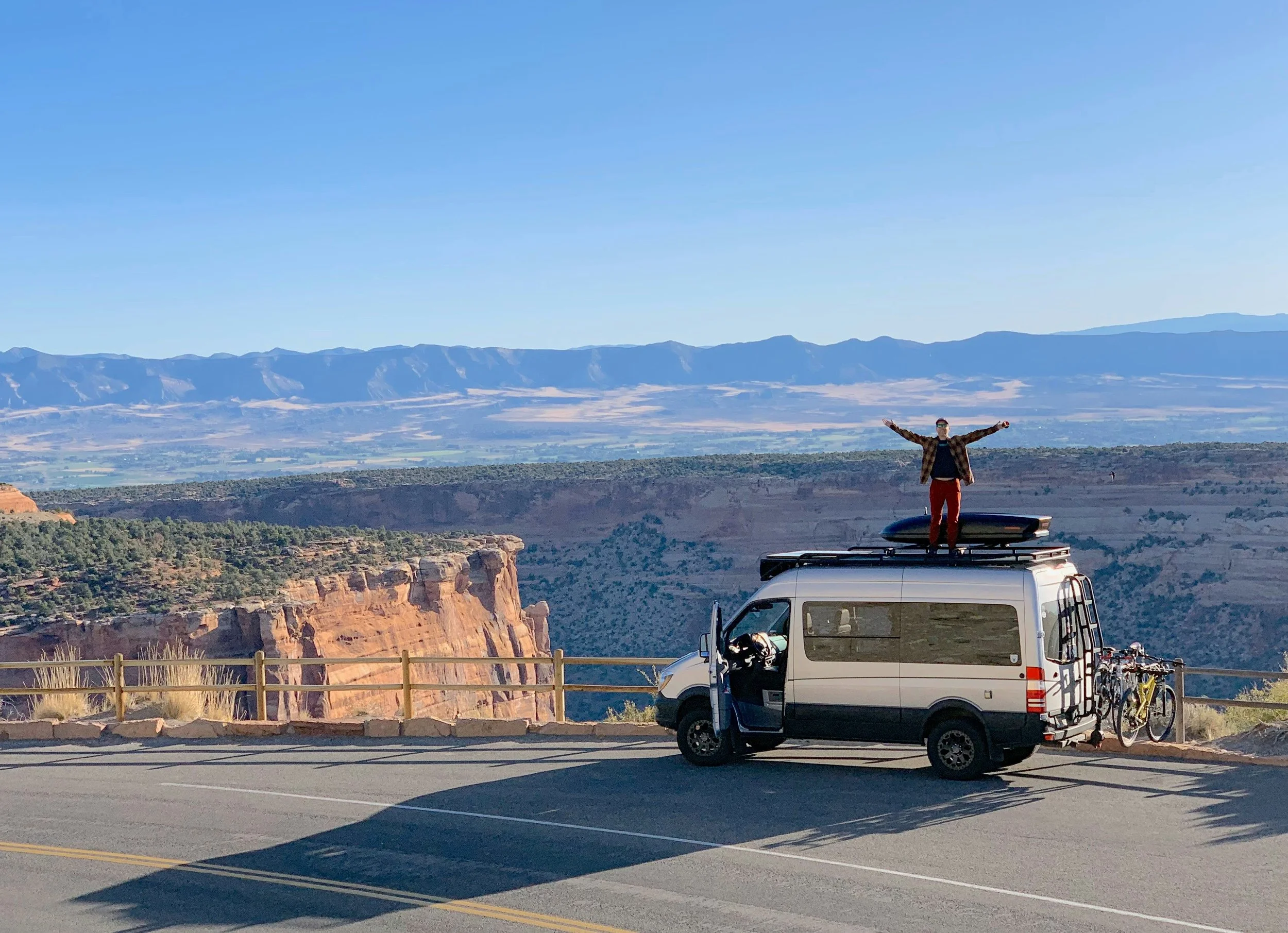
What drove him wasn't just saving money on housing - it was avoiding the cost of loans. He had good income but was laser-focused on keeping interest payments as low as possible. Every dollar that didn't go to a mortgage payment went into materials, equipment, or land improvements. The math made sense to him, even if the lifestyle looked crazy to everyone else.
He also got clever about zoning boundaries. The van gave him mobility - he could travel strategically to keep his "camping" days on the property within legal limits, spending nights in office parking lots or elsewhere when needed. Did he push some boundaries? Yeah. Was it technically compliant 100% of the time? Probably not. But he navigated the gray areas carefully and avoided drawing attention from code enforcement.
The pole barn wasn't the endgame - it was the foundation. Once he had the land paid off and the barn providing secure storage and workshop, he moved forward with building an actual home. He worked with a builder but was able to handpick which projects he'd DIY and which he'd contract out. Because the land was already paid for and he'd been saving aggressively by avoiding a big mortgage all those years, he had flexibility most people don't get when building. Again, privilege of having a great tech job - but the strategy of eliminating land debt first gave him options.
Why it works:
No house payment while building (raw land is difficult to finance, you need cash)
The pole barn provides secure storage, workspace, and vehicle shelter without being "living space"
Build exactly what you want, not what a developer thinks you need
Sweat equity compounds over time
If you have the skills (or YouTube and patience), you save tens of thousands in labor costs
Van mobility helped him navigate zoning restrictions
The Reality Check:
This is NOT comfortable. It's strategic discomfort in exchange for long-term gain
Zoning matters - what counts as "living" on your property? King County has different rules than Snohomish County
Permitting for new construction is slow and expensive
You need construction skills, time to learn them, or money to hire out
Single income, single person makes this WAY easier than trying it with a partner or kids
Living nomadically while working a tech job takes serious mental toughness
You need the right personality - if you're already an outdoorsy, self-sufficient type, this is easier than if you need creature comforts
This is a multi-year play, not a quick path to homeownership
Already owning a converted van helps (buying and converting one adds significant cost)
Who this works for: Single people (or VERY aligned couples) without kids, high discipline, DIY skills or willingness to learn, stable job, comfortable being uncomfortable for 1-3 years, ideally already living a somewhat minimal lifestyle, long-term thinkers who can delay gratification, already comfortable with van/mobile living
STRATEGY 4: The Multi-Unit Flip & Roll
The Story: A friend started out renting an apartment unit downtown. After a couple of years, the building owner, who needed cash, approached him about buying the unit he was renting. My friend was able to make the purchase. A couple of years later, the owner came back again, this time offering to sell an entire floor (four units total). The owner was over-leveraged on another property that needed a lot of work and needed to offload quickly. Because my friend had been saving aggressively and had already gotten pre-approved with a local bank, he was ready to move fast when the opportunity arose.
He updated the three units he didn’t live in, rented out two, and moved into the third while updating his original unit (the fourth). Suddenly, he had three rental units generating income. Eventually, he sold the entire floor, used that equity to buy a big fixer-upper in Queen Anne, and kept the momentum going.

Why it works:
Rental income offsets mortgage costs or funds renovations
Each property becomes leverage for the next move
Building a portfolio while living in one unit keeps costs down
Real estate appreciation, rental income, and forced appreciation through updates lead to wealth building
Being ready when opportunities arise (pre-approval, cash reserves, relationships) creates luck
The Reality Check:
Requires significant starting capital or creative seller financing
You’re a landlord, so tenant issues, maintenance calls, and vacancy risk are part of the deal
Multi-unit properties are harder to finance and require larger down payments
Managing renovations while living on-site and dealing with tenants is chaotic
This is basically a part-time (or full-time) job on top of your actual job
Market timing matters: he benefited from selling at the right time
"Luck" usually comes from being prepared, with pre-approval, savings, and local bank relationships
This isn’t really a "strategy" you can plan; it’s about being positioned when opportunity knocks
Who this works for: People with an investor mindset, comfortable with landlord responsibilities, moderate starting capital, long-term vision, able to handle complexity, networked enough to hear about opportunities before they go public, and patient enough to wait for the right deal.
WHAT THEY ALL HAVE IN COMMON
These strategies aren't the ones real estate agents usually talk about because they're harder to finance, slower to close, and don't fit the clean "here's your dream home" narrative.
But they work. And they all share these traits:
Trading comfort now for equity later - Whether it's living in a van, a trailer, or with roommates, you're sacrificing something
Require hustle, skills, or both - DIY abilities, construction knowledge, landlord skills, or financial creativity
Not for everyone - But for the right person in the right situation, they're legitimate paths to homeownership
All legal - With proper permits, zoning compliance, and financing (don't skip these steps)
Build momentum - Once you get that first property, you have leverage for the next move
Opportunity favors the prepared - Pre-approval, savings, local relationships, and staying alert create the "luck" that makes deals happen
Let's Be Honest About What This Takes
Before you get inspired and quit your job to live in a van, let's acknowledge some realities:
This requires resources. Not necessarily a lot of money, but some combination of capital, skills, stable income, time, or physical ability. If you're in true survival mode or paycheck-to-paycheck with zero savings, these strategies probably aren't accessible yet. But if you have SOME resources and feel priced out of traditional homeownership, they might be worth exploring.
Not everyone can (or should) do this. Some people will never be able to buy in expensive markets, and that's not a personal failing - it's a systemic housing affordability crisis. But for those willing to trade comfort for equity and put in serious sweat, these paths exist.
Gray areas are gray. Some of these stories involve pushing boundaries - living in RVs longer than technically allowed, creative interpretations of zoning rules, unconventional financing. I'm not encouraging you to break laws, but I'm also not pretending everyone followed every rule perfectly. Know the risks.
You need backup plans. Things go wrong. Permits get denied. Financing falls through. Relationships end mid-renovation. Markets crash. If you're going to attempt something unconventional, have a Plan B (and maybe a Plan C).
Is This for You?
If you're relocating from a more affordable market and feeling shell-shocked by Pacific Northwest prices, or if you're a local buyer who's been outbid on every traditional listing, these paths might be worth considering.
They're not easy. They require sacrifice, discipline, and often years of delayed gratification. But they're real ways people are building equity in one of the country's most expensive markets.

Important disclaimer: I'm sharing real stories from people I know, not providing legal, financial, or construction advice. Every strategy mentioned here requires compliance with local zoning laws, building permits, and financing regulations. King County and Snohomish County have different rules, and they matter. Before attempting any of these approaches, talk to professionals - real estate attorneys, lenders, licensed contractors, and code enforcement offices.
If you're exploring unconventional paths to homeownership and need help navigating the real estate side of things - finding properties, understanding what's possible in different areas, or connecting with the right professionals - that's where I come in. I help people figure out what they want to do and assist them in making it happen.